
Shenzhen Releases Association Standard for Drone Building Fire Inspection and Reconnaissance
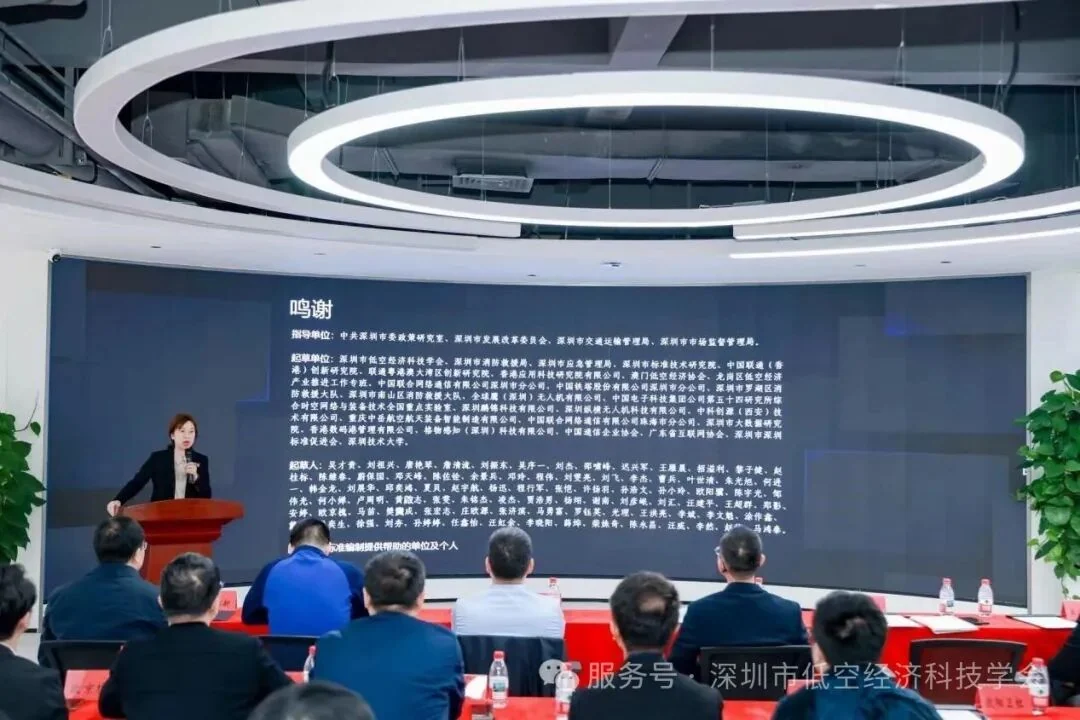
On the morning of December 5, 2025, the association standard Guidelines for the Application of Unmanned Aircraft in Building Fire Inspection and Reconnaissance (《无人驾驶航空器建筑物消防巡查和侦察应用指南》), led by the Shenzhen Science and Technology Association for Low-altitude Economy and jointly participated in by 27 organisations including the Shenzhen Fire and Rescue Bureau, the Shenzhen Municipal Emergency Management Bureau, the Shenzhen Institute of Standards and Technology, China Unicom (Hong Kong) Innovation Research Institute, China Unicom Guangdong-Hong Kong-Macao Greater Bay Area Innovation Research Institute, Hong Kong Applied Science and Technology Research Institute Company Limited, and the Macao Low-Altitude Economy Association, was officially released in Shenzhen.
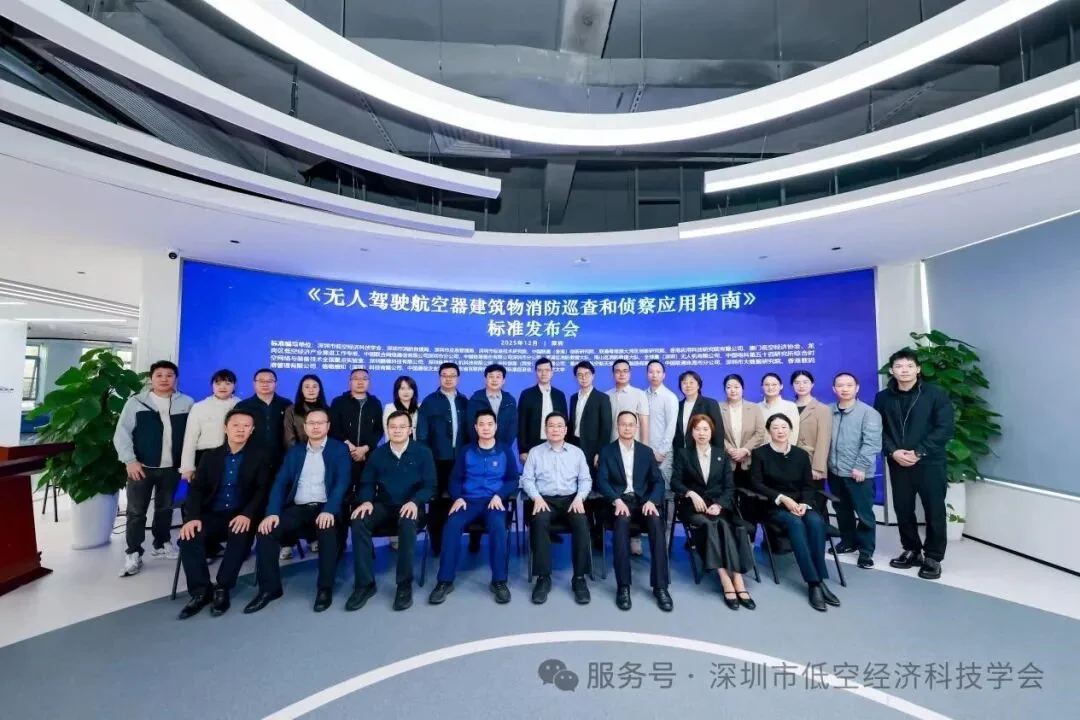
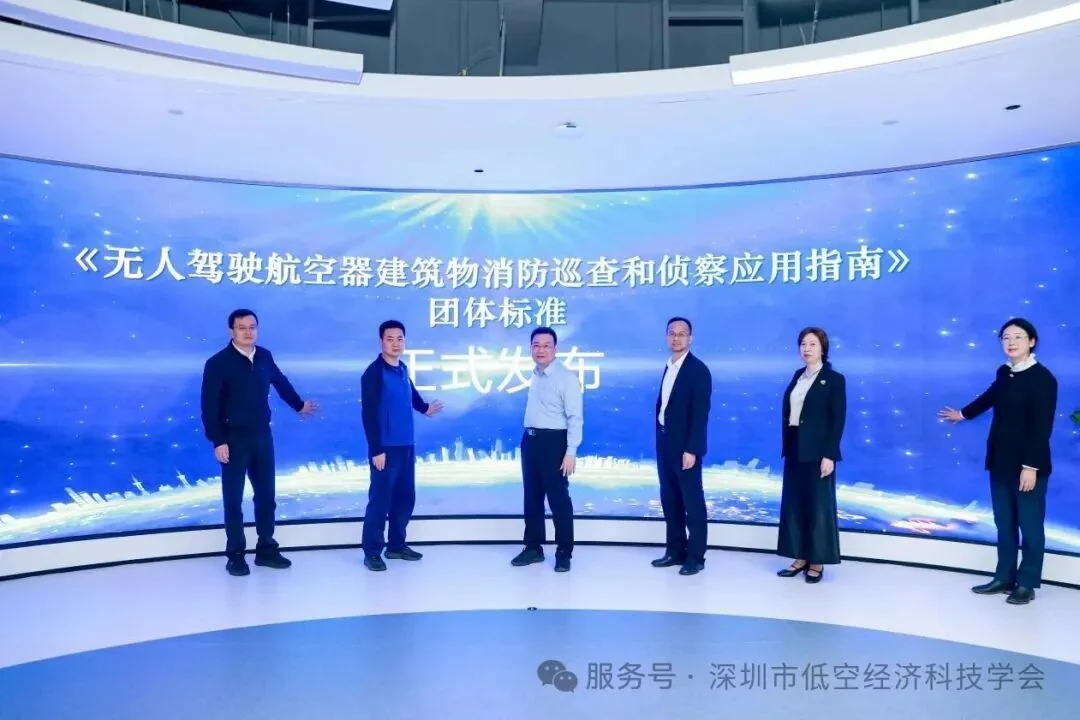
This standard is China's first systematic operational guideline for drones in the field of building fire inspection and reconnaissance, marking the transition of drones in the fire emergency field from "exploratory practice" to "standards-led development," and providing important technical support for the safe development of the low-altitude economy in the Guangdong-Hong Kong-Macao Greater Bay Area.
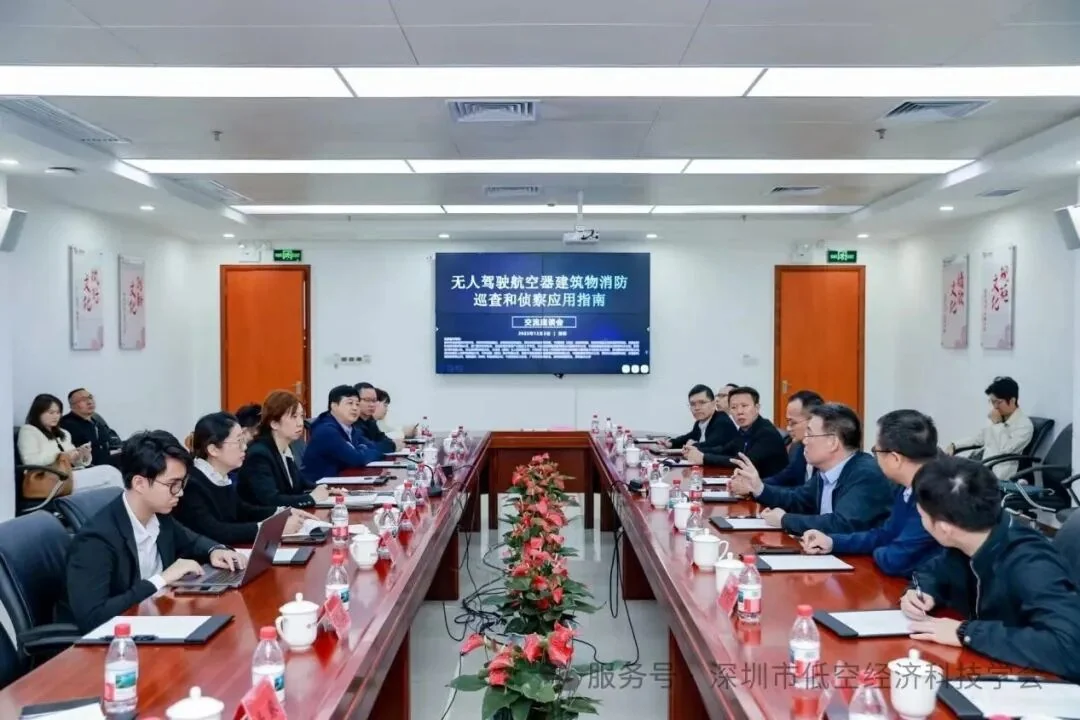
Leaders from the Shenzhen Municipal Market Supervisory Authority, the Shenzhen Fire and Rescue Bureau, the Shenzhen Municipal Emergency Management Bureau and other organisations attended the release conference and delivered speeches.
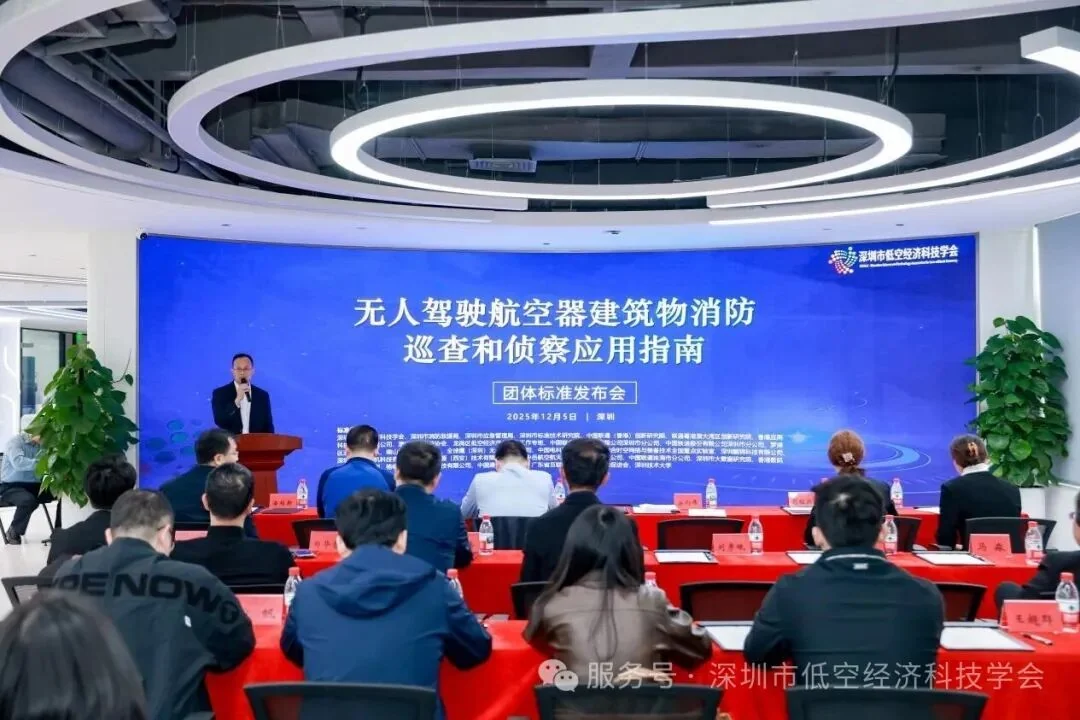
The head of the Standards Division of the Shenzhen Municipal Market Supervisory Authority congratulated the release of the standard in his speech. He first addressed the positioning of the standard: association standards are a new force and innovation engine of the standards system in the new era, representing a structural shift from government leadership to market leadership, with the advantages of being fast, new, flexible and precise. Second, he spoke of the value of the standard: the standard released today is of great significance, filling a gap in high-rise building fire safety standards and conducting beneficial exploratory research on specifications for drone fire inspection and reconnaissance, fully reflecting multi-party collaboration and in-depth industry, government, academia, research and application collaboration. It not only supports urban public safety but is also part of Shenzhen's strategic layout for building a low-altitude economy demonstration zone. Finally, he offered an outlook on the standard: the formulation of the standard is only the beginning, and attention must be paid to advancing the standard from paper specifications to practical application, industrial collaboration and GBA-wide leadership. He proposed focusing on three major paths: government application procurement, creation of demonstration scenarios, and professional training, and building an ecosystem loop of technological iteration, verification services and policy support, ultimately promoting the upgrade of the standard to a "GBA Standard" and even an international standard, providing solid support for urban safety.
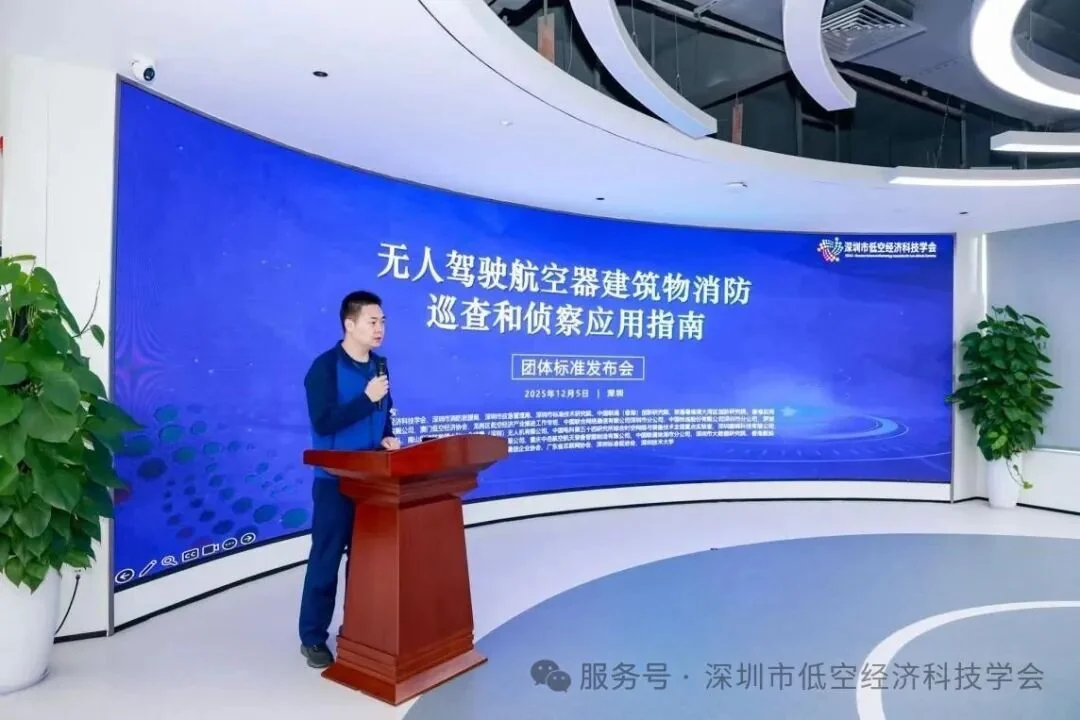
The head of the Cyberspace and Information Office of the Shenzhen Fire and Rescue Bureau stated that the release of this standard is a milestone in the innovative development of low-altitude fire rescue. Faced with the traditional challenges of rapid fire spread and difficult rescue in super high-rise buildings, the efficient inspection and precise reconnaissance capabilities of drones can provide tremendous assistance. Next, the fire department will take this opportunity to accelerate the implementation and application of the standard, integrate it into team building and training systems, and work with enterprises to advance the large-scale innovation of specialized unmanned equipment, building an air-ground coordinated rescue system and creating a "Shenzhen model" for fire prevention and control in super high-rise buildings.
Zhan Qingliu, Director of the Emergency Command and Contingency Plan Management Division of the Shenzhen Municipal Emergency Management Bureau, emphasized that fire prevention and control in super high-rise buildings is a worldwide public safety challenge that must be overcome through the application of technology. The introduction of these Guidelines provides an operational "aerial operations manual" for building an "integrated air-space-ground" fire emergency tactical system. The standard's leading role is reflected in three aspects: directly addressing pain points, pooling GBA wisdom, and empowering future safety. He expects the standard to drive industrial innovation, enabling drone technology to truly become an "aerial shield" safeguarding the lives and property of the people, and to contribute "Shenzhen wisdom" to enhancing the GBA's emergency coordination capabilities.
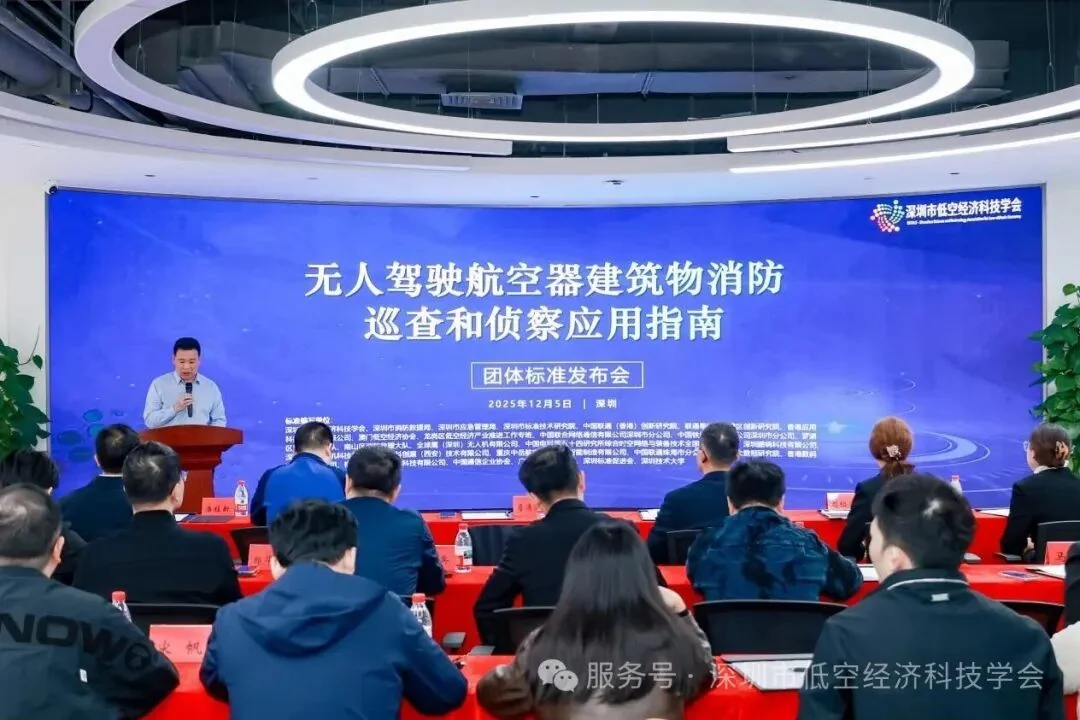
During the standard interpretation session, Liu Zuxing, President of the Shenzhen Science and Technology Association for Low-altitude Economy, provided a detailed introduction to the background, main content and application value of the standard. Targeting the pain points of high-rise building fire prevention and control, the standard systematically regulates the full-process operations of unmanned aircraft in fire inspection and reconnaissance, including mission planning, data collection, personnel qualifications and emergency response, and integrates infrared thermal imaging and AI analysis technologies to achieve intelligent fire warning and efficient response.
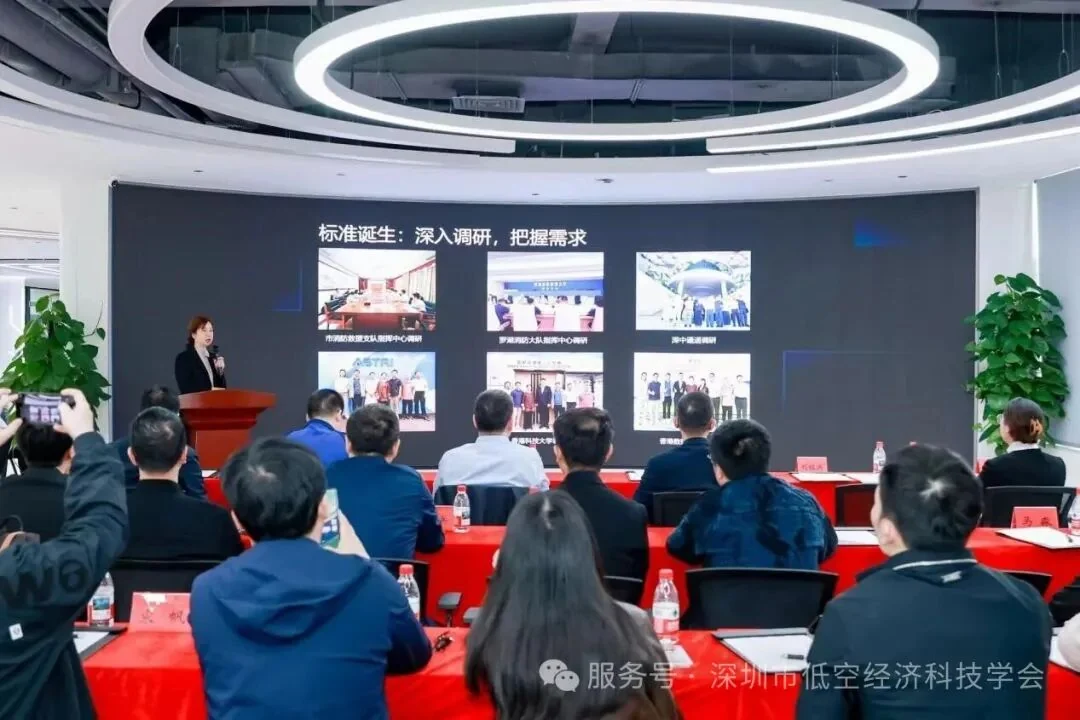
The standard embodies the wisdom of 27 industry, academia, research and application collaboration organisations from Guangdong, Hong Kong and Macao, covering multiple fields such as fire safety, low-altitude economy, communications and unmanned aircraft R&D, and reflects the collaborative consensus and technical mutual trust of the Greater Bay Area in the field of fire safety. The standard not only has the potential to be transformed into a "GBA Standard," but will also support the coordinated development of the low-altitude economy and the smart fire safety industry.
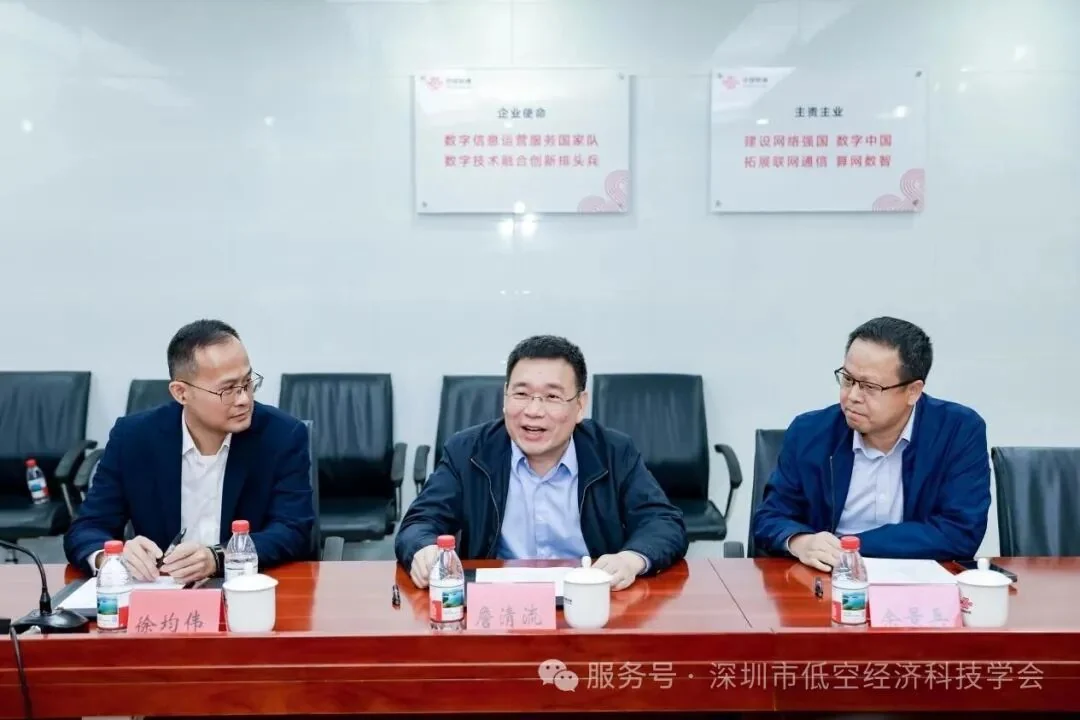
In the subsequent discussion and exchange session, Zhan Qingliu, Division Chief of the Shenzhen Emergency Management Bureau, the responsible person of the Market Supervision Administration, and Yu Jingbing, Chairman of Global Eagle, spoke in succession, offering insightful opinions on standard promotion and implementation, high-quality application, fire and rescue personnel training, and UAV-assisted delivery of rescue supplies. Wang Yanchen, Director of the Hong Kong Applied Science and Technology Research Institute, focused on the issues of standard mutual recognition and policy coordination between Hong Kong and the mainland. The meeting also invited relevant departments of CPIC P&C Insurance to participate throughout.

In the future, the Shenzhen Science and Technology Association for Low-altitude Economy will continue to join forces with all parties to promote the widespread application of this standard in firefighting practice, help build an "aerial sentinel" urban safety protection system, and contribute to the high-quality development of the low-altitude economy and the improvement of urban public safety in the Guangdong-Hong Kong-Macao Greater Bay Area.